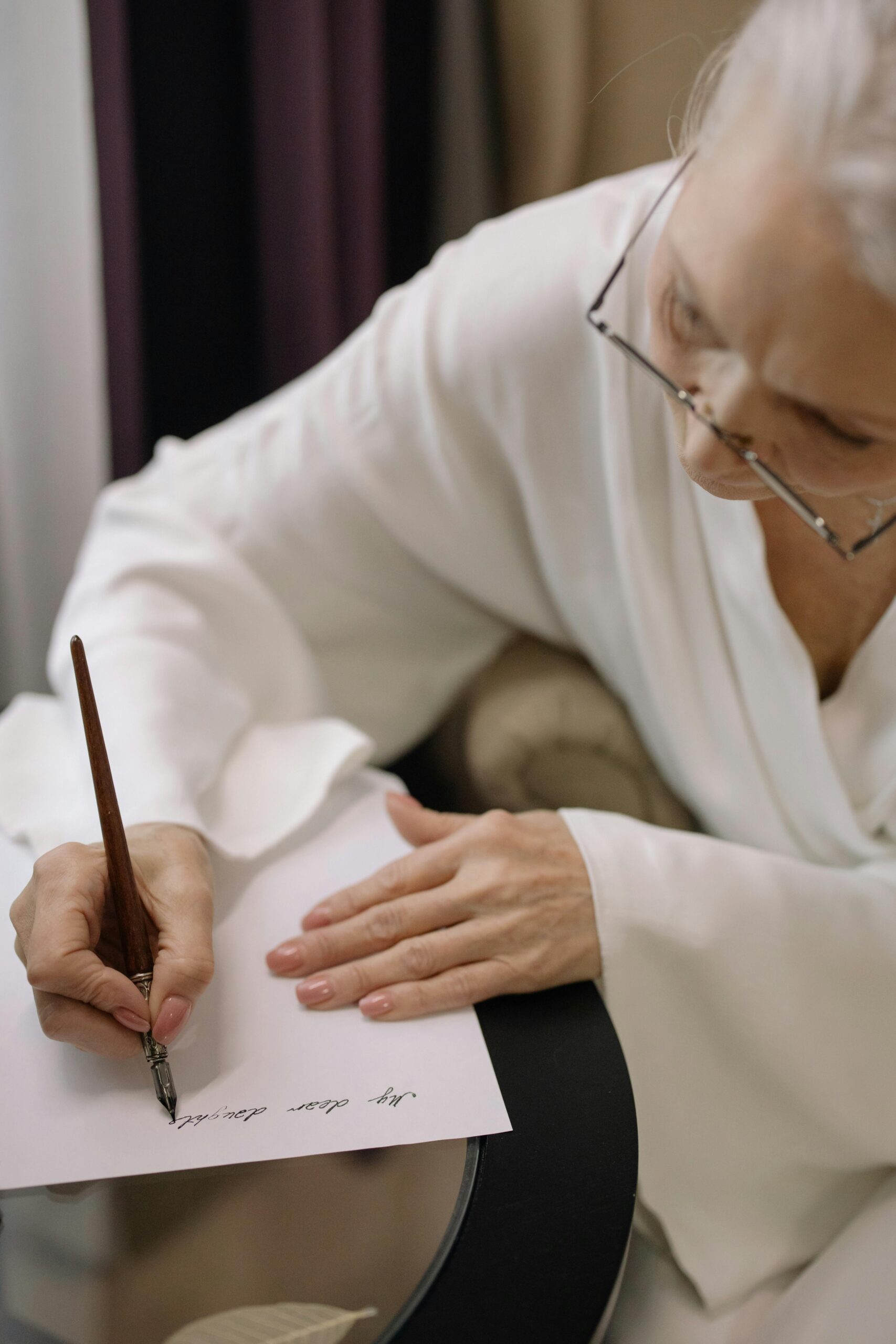
In March 2026, calligraphy has transcended the page to become a structural and atmospheric element in Modern Interior Architecture. No longer limited to framed art, it is now integrated into the “skin” of buildings and the “soul” of interior spaces through a movement known as Calligraphic Architecture.
This trend is driven by a global desire for “Quiet Luxury” and “Biophilic Craft”, where the human-drawn line provides a warm, organic contrast to the rigid geometry of modern construction.
1. Structural Calligraphy: The Building as a Canvas
In 2026, we see calligraphy being used as a functional architectural filter.
- Parametric Facades: Leading architects (inspired by the late Zaha Hadid) now use generative algorithms to wrap entire buildings in 3D calligraphic “exoskeletons.” These scripts (often Arabic Kufic or stylized Kanji) serve as structural supports and sunshades, casting dynamic, rhythmic shadows into the interior throughout the day.
- Laser-Cut Screens (Mashrabiya): Modern interiors use floor-to-ceiling metal or timber screens where the “void” space forms a poem or a proverb. In 2026, these are used to “zone” open-plan living areas without blocking light or airflow.
- Engraved Concrete: A trend in “Industrial Zen” design is the use of large-scale, deconstructed calligraphic strokes cast directly into raw concrete walls, giving an ancient, monumental feel to modern minimalist lofts.
2. Interior “Tactile Walls” (2026 Trends)
Wallpaper is being replaced by 3D Calligraphic Reliefs.
- Plaster & Microcement: Master artisans in 2026 are hand-carving oversized calligraphic motifs directly into wet lime-plaster or microcement walls. This creates a “Tone-on-Tone” effect where the art only reveals itself through the play of light and shadow.
- Acoustic Calligraphy: High-end offices and home cinemas are installing felt and mycelium panels laser-cut into calligraphic shapes. These serve a dual purpose: they act as a large-scale mural while significantly dampening room echo.
- Backlit Calligraphy: 3D wooden or acrylic letters are mounted with “hidden” LED strips (Matter 2.0 compatible), creating a “floating” effect where the script appears to hover off the wall in a soft amber glow at night.
3. Calligraphy in Furniture and Decor
In 2026, furniture is treated as “Functional Sculpture.”
| Item | 2026 Design Integration | Visual Effect |
| Dining Tables | Live-edge wood with “Ink-inlay” calligraphy. | Adds a “literary” soul to family gatherings. |
| Mirrors | Perimeter-etched sandblasted calligraphy. | Frames the viewer in a meaningful quote. |
| Textiles | “Pattern Drenching” with deconstructed scripts. | Creates a sense of movement in rugs and drapes. |
| Cabinetry | CNC-milled calligraphic “hardware” (handles). | Turns a functional touchpoint into an art piece. |
4. The “Hybrid Heritage” Movement
A major cultural trend in early 2026 is the Sini-Arabic Fusion. This style blends the geometric perfection of Arabic scripts with the fluid, “withered brush” technique of Chinese calligraphy.
In interior design, this is seen in Large-Scale Murals that bridge Eastern and Western aesthetics, often used in global hotel lobbies and “Ethnic Chic” luxury residences to represent cross-cultural dialogue.
5. Summary: Why It Works in 2026
Architecture in 2026 is moving toward “The Emotional Home.” Calligraphy works because it is inherently human; it carries the “vibration” of the hand that drew it.
Interior Tip: If you’re adding calligraphy to your home this month, use the “One-Wall Rule.” Select one high-impact area—like the entryway or the wall behind the bed—for a large-scale calligraphic treatment. Let the other walls remain “quiet” to avoid visual clutter and maintain the room’s “Exhale.”