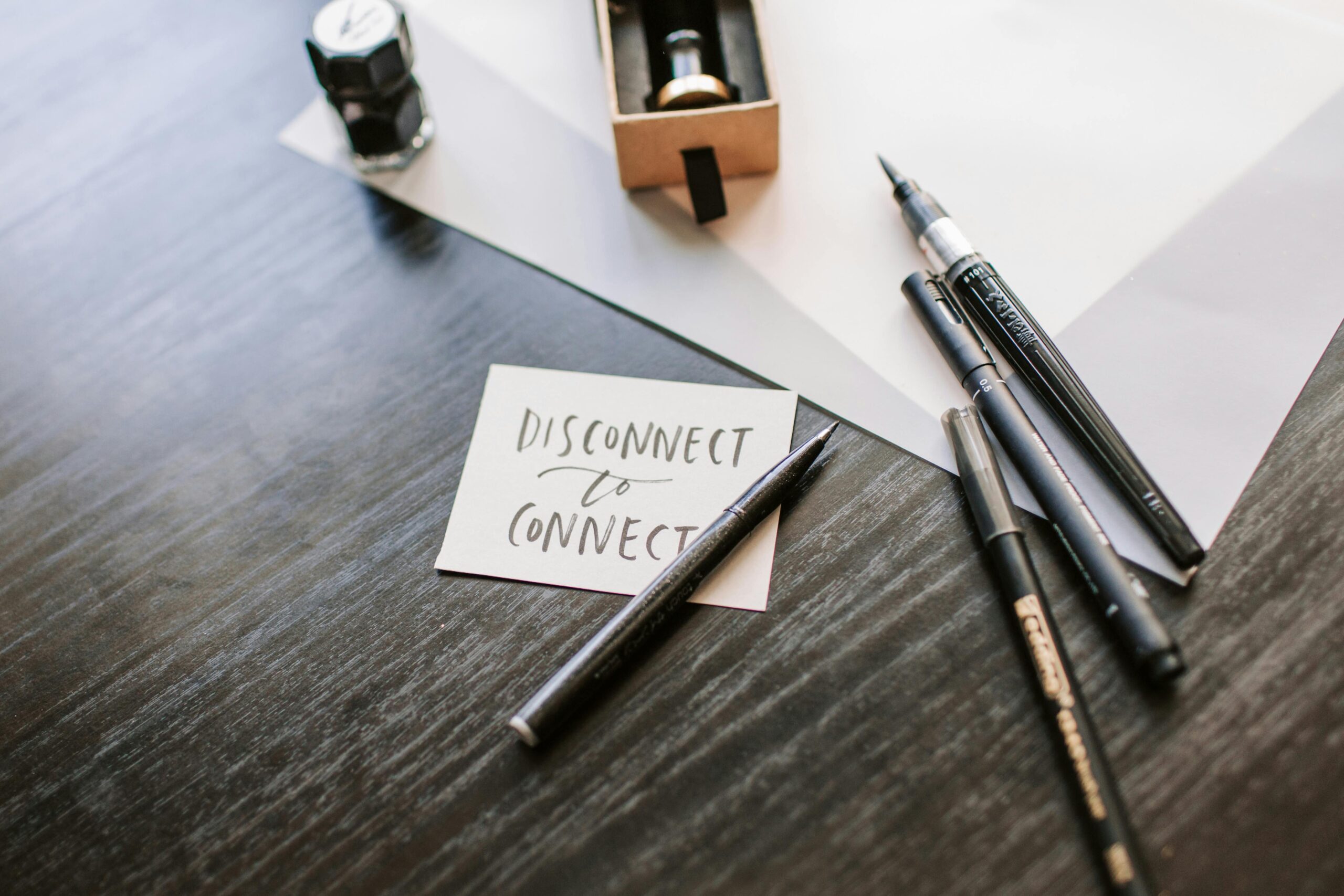
In March 2026, the preservation of calligraphy has become a high-stakes cultural mission. As we move deeper into a “Post-Paper” society, the challenge is twofold: protecting the physical artifacts from decay and ensuring that the digital twins of these works maintain the “human vibration” and tactile depth of the original.
Whether you are a collector of ancient manuscripts or a modern artist, here is how we are securing the future of the written word.
1. Physical Preservation: The “Slow Decay” Battle
Traditional calligraphy is often created on organic materials (parchment, papyrus, or handmade paper) with natural inks that are sensitive to the 2026 environment.
- Climate-Controlled Enclosure: High-end collectors now use Smart-Glass Frames (Matter-integrated) that automatically tint to block UV rays when sensors detect high light levels in a room.
- Micro-Environment Framing: The “Gold Standard” involves sealing the artwork in an acid-free, oxygen-depleted environment using argon gas, which prevents the oxidation of iron-gall inks (common in Western and Arabic historical pieces).
- Acid-Free Archiving: For home artists, storing work in buffered, lignin-free folders is essential. Avoid PVC sleeves, which can “off-gas” and yellow the paper over time.
2. High-Fidelity Digitization (The 2026 Standard)
A simple scan is no longer enough. To truly “preserve” calligraphy, we must capture its 3D Topography.
- RTI (Reflectance Transformation Imaging): In 2026, museums use RTI to take multiple photos of a script from different light angles. This allows a digital viewer to “move a virtual light” across the page, revealing the physical indentation of the pen and the thickness of the ink pool.
- Multispectral Imaging: This technology “sees” beneath the surface. It can recover faded or erased text (palimpsests) by looking at wavelengths beyond the human eye, preserving “lost” calligraphic history.
- 8K Macro-Scanning: Modern artists are archiving their portfolios using macro-scanners that capture the individual fibers of the paper, ensuring the “Digital Twin” feels as visceral as the original.
3. Cultural Preservation: The “Living” Archive
Preserving calligraphy isn’t just about the objects; it’s about the muscle memory of the craft.
- AI-Assisted Pedagogy: In 2026, organizations like UNESCO are using Motion-Capture Suits to record the hand and body movements of master calligraphers. These “Skeletal Blueprints” allow future students to learn the exact rhythm and pressure of a master who may no longer be living.
- Blockchain Provenance: To prevent the “AI-dilution” of the art form, many 2026 calligraphers are “Minting” their physical works with Digital Certificates of Authenticity. This creates a permanent, unalterable record of the artist’s “Human Stroke,” distinguishing it from machine-generated replicas.
4. Preservation Comparison Matrix
| Aspect | Traditional Preservation | 2026 Digital Preservation |
| Focus | Chemical Stability (pH levels). | Structural Fidelity (Topography). |
| Storage | Acid-free boxes / Dark rooms. | Decentralized Cloud / Cold Storage. |
| Access | Limited (Fragile handling). | Global (VR/AR interaction). |
| Risk | Fire, Humidity, Pests. | File Obsolescence / Data Rot. |
5. Summary: The “Vellum to Silicon” Bridge
The goal of 2026 preservation is to ensure that a student in 2126 can look at a digital file and feel the “weight” of the ink. We are no longer just saving images; we are saving the intentionality of the human hand.
Artist Tip: If you are archiving your own work this month, always include a “Material Meta-Tag” in your digital files. Document the specific nib, ink brand, and paper weight used. In a century, that context will be as valuable as the art itself.